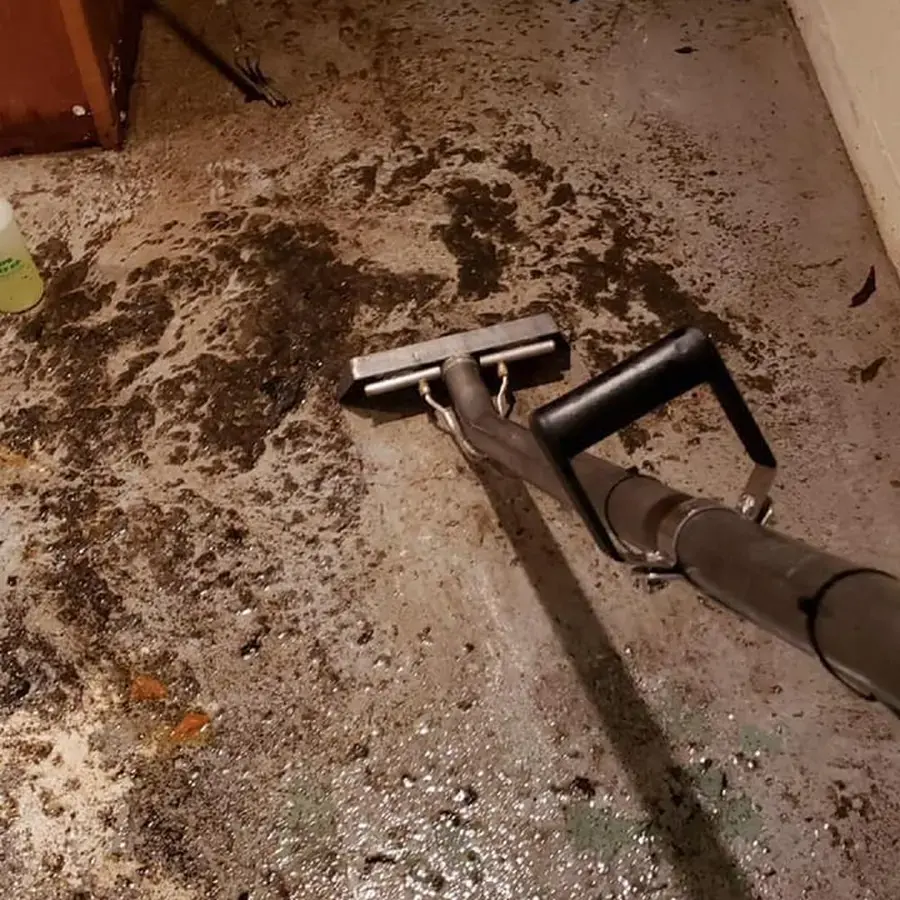
On Friday, May 20, 2022, parts of the parking lot at The Park at Springdale Apartments sat under about 4 feet of water. A man trapped in his car was rescued with a fire engine ladder, and several units took on water.
Key takeaways
- Several units at The Park at Springdale Apartments took on water on May 20, 2022, and residents' cars were damaged.
- Southwest Ohio sees spring and summer thunderstorms with flash flooding, so large lots and ground floor units are exposed.
- A tenant's first steps are safety, notifying the manager in writing and photographing the water and belongings.
- A property manager coordinates utilities, residents and extraction across more than one unit at a time.
- Flood water from a lot is contaminated, so wet carpet, pad and lower drywall are usually removed, not just dried.
What happened on May 20, 2022
Parts of the parking lot at The Park at Springdale Apartments filled with water that Friday. The Sharonville Fire Department responded, and a man trapped in his car was rescued with a fire engine ladder.
Several apartment units took on water, and residents' cars were damaged. The event shows how a paved lot at a large community can pool water that then reaches doors and ground floor rooms.
For a manager or tenant reading about it now, the lesson is practical. A flood that reaches the ground floor of an apartment building usually arrives all at once, and the first people to notice are residents, not the office.
Why large lots and apartments are exposed
Southwest Ohio sees spring and summer thunderstorms with flash flooding and tornado warnings, along with winter cold snaps. A hard rain on acres of pavement runs together fast.
Springdale has many apartments, including communities such as Array and Slate Springdale, so one event can touch many households at the same time.
- Pavement sheds rain quickly toward low corners and building entrances.
- Ground floor units sit closest to the water.
- Cars, storage rooms and shared hallways are hit along with living space.
Why the lot is the first hazard
The May 2022 flood was dangerous before it was damaging. A driver was trapped in a car, and a fire engine ladder was needed to reach him.
Moving water over pavement is deceptive. The depth is hard to judge, the drains may be blocked and the car can stall or float.
The safest choice for a resident is to stay out of a flooded lot until the water has dropped and it can be crossed on foot.
- Never drive into a flooded lot or underpass.
- Keep children and pets away from standing water in a lot.
- Move vehicles to higher ground before a storm when a warning is issued.
- Call emergency services if someone is trapped.
What a tenant does first
A tenant's job is to stay safe and put the problem on record.
A tenant who is displaced should ask the manager where to go and what to bring, and should keep medications, documents and chargers in a bag that can be carried out quickly.
- Do not wade or drive through moving water; the depth and the current are hard to judge.
- Stay out of a flooded unit if the power may be on, and ask the manager or the utility about it.
- Notify the property manager in writing and keep a copy.
- Photograph the water level, the floor and the damaged belongings.
- Lift small items and documents off the floor only if that can be done safely.
What a property manager does first
A manager faces several units, several households and shared systems. Order keeps the response from turning into confusion.
Safety and utilities
Residents come first. The manager keeps people out of flooded areas, confirms where the power and water are shut off and notes which units are affected.
Records and communication
A manager keeps a unit by unit list of what is wet, with dates and photographs, and tells residents what is happening and where to report damage.
- A list of affected units, with floor level.
- Photographs of the lot, entrances and interiors.
- A written notice to residents on who to contact.
Calling for extraction
Because several units may be wet, the manager can request water extraction for all of them in one visit, which keeps the work from being handled one door at a time.
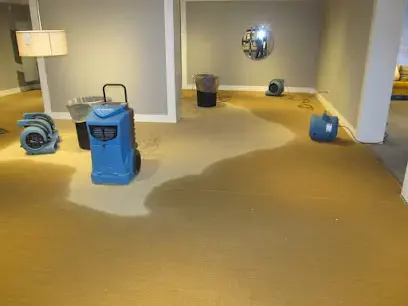
How extraction and drying handle a flooded unit
Water that comes in from a lot is treated as contaminated flood water. Standing water is pumped off the floor first, then wet materials are sorted.
Carpet and pad that took in flood water are normally removed, and drywall that wicked water upward is cut out above the wet mark. The same sequence is covered in storm and flash flood cleanup.
Because the units sit side by side, drying equipment is often set up in several apartments and hallways at once, and readings are taken in each so none is released early.
- Standing water pumped out.
- Carpet, pad and lower drywall removed where contaminated.
- Hard floors and framing cleaned and treated.
- Air movers and dehumidifiers run until readings match a dry reference.
What residents do about belongings and cars
Furniture, rugs and clothing that sat in flood water need sorting, and some will not be recoverable. Cars hit by flood water go to the owner's insurer and a mechanic, since electrical systems can be damaged.
A tenant should keep receipts and photographs and ask the renter's insurer what is covered, since a landlord's policy usually does not insure a tenant's own belongings.
- Do not start a flooded vehicle until a mechanic has checked it.
- Keep a list of lost items with approximate ages.
- Hold onto receipts for any temporary housing or cleaning.
One year of weather in the Cincinnati area
The same year brought more than one kind of event. The National Weather Service archive lists heavy rain and flooding on February 17 to 18, 2022, then the May 20 lot flood in Springdale, and snow, winds and extreme cold on December 23, 2022.
Those listings cover the Cincinnati area, not Springdale alone, but they show how a multi unit building can face water from storms, then from frozen plumbing, within the same twelve months.
- Spring and summer storms bring flash flooding.
- Winter cold snaps bring burst and frozen pipes.
- Both can leave several units wet at once.
Questions
What happened at The Park at Springdale Apartments in May 2022?
On May 20, 2022, parts of the parking lot sat under about 4 feet of water, a man trapped in his car was rescued with a fire engine ladder, several units took on water and residents' cars were damaged.
Who reports apartment flood damage, the tenant or the manager?
Both. A tenant notifies the manager in writing with photographs, and the manager keeps a unit by unit record and arranges extraction and drying.
Is flood water from a parking lot clean?
No. It carries runoff and contaminants, so wet carpet, pad and lower drywall are usually removed and hard surfaces cleaned.
Does Springdale flood often?
Southwest Ohio has spring and summer thunderstorms with flash flooding, and the May 2022 apartment flood is a confirmed local example.
Can several units be dried at once?
Yes. A manager can arrange extraction and drying across affected units in one coordinated visit, which saves time and keeps readings consistent.