Water damage restoration in Montgomery
Burst pipes, storm water and sewage backups hit Montgomery homes and Heritage District storefronts alike, and the drying starts with finding every wet surface hidden behind the walls and under the floors.
(888) 365-1450Call for Montgomery water helpPhotos and moisture readings are logged for every claim file.
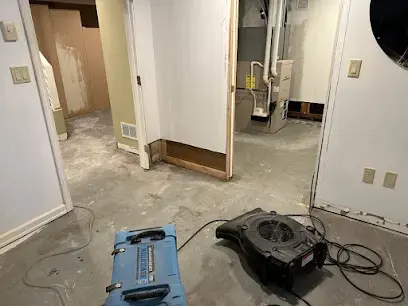
Every kind of water loss handled in Montgomery
From a single leaking appliance to a flooded lower level, each service below covers the water removal, the drying and the documentation a Montgomery property needs.
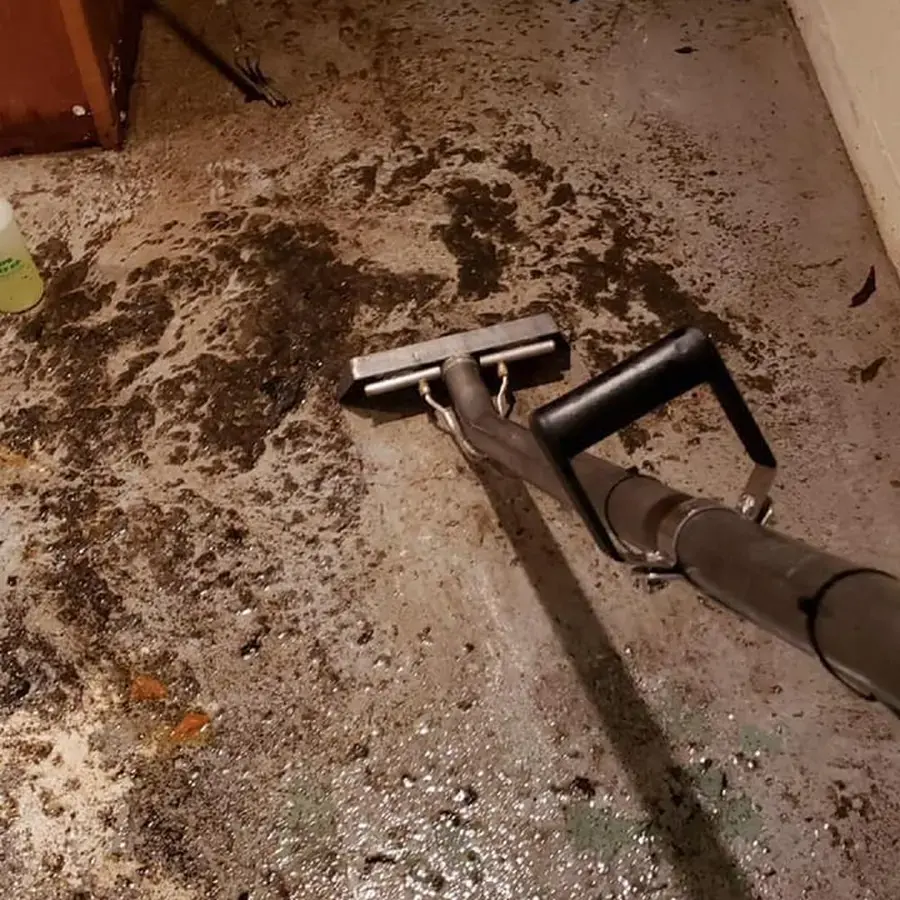
Water Extraction and Removal
Pumps and wands clear standing water from carpet and floors before it wicks into the walls.
What the work involves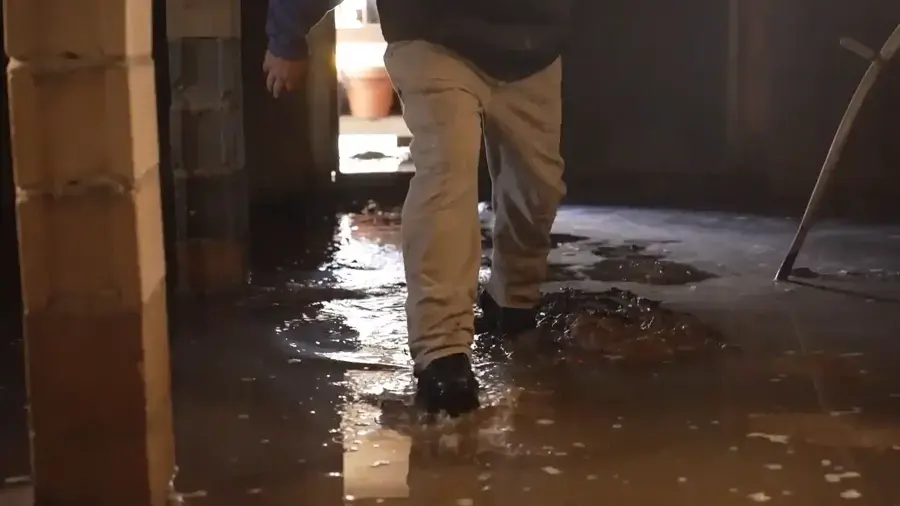
Basement Flooding Cleanup
Lower levels are pumped out, stripped of soaked finishes and dried, with sewer backups kept separate from clean water.
What the work involves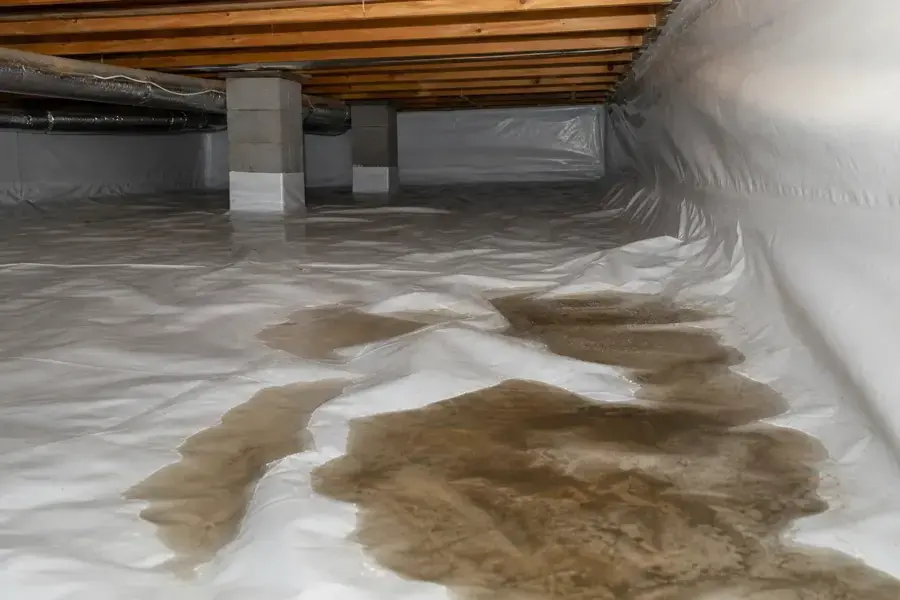
Crawl Space Water Damage
Crawl space water is traced to its entry point, then joists and subfloor are dried.
What the work involves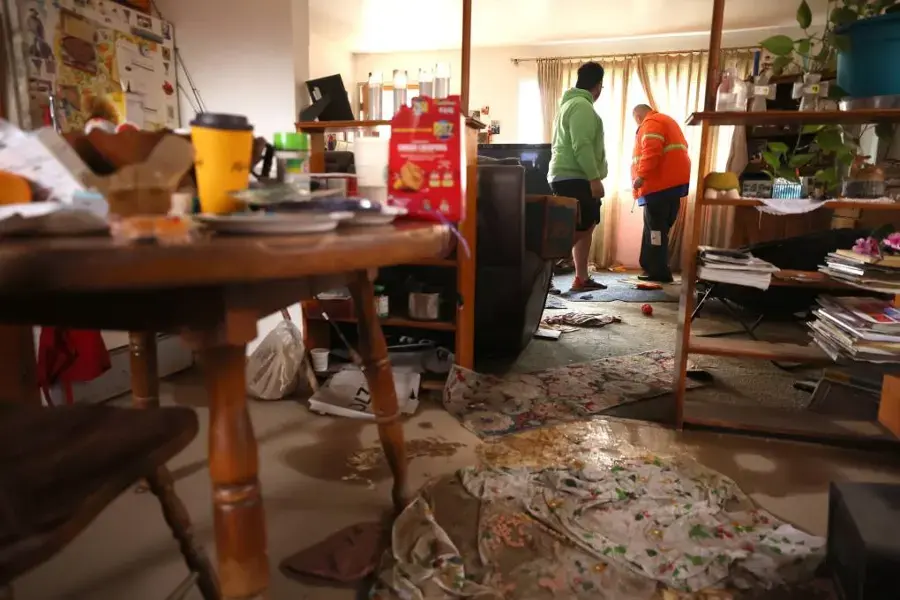
Storm and Flash Flood Cleanup
Storm water is treated as contaminated, so silt comes out and surfaces get cleaned before drying begins.
What the work involves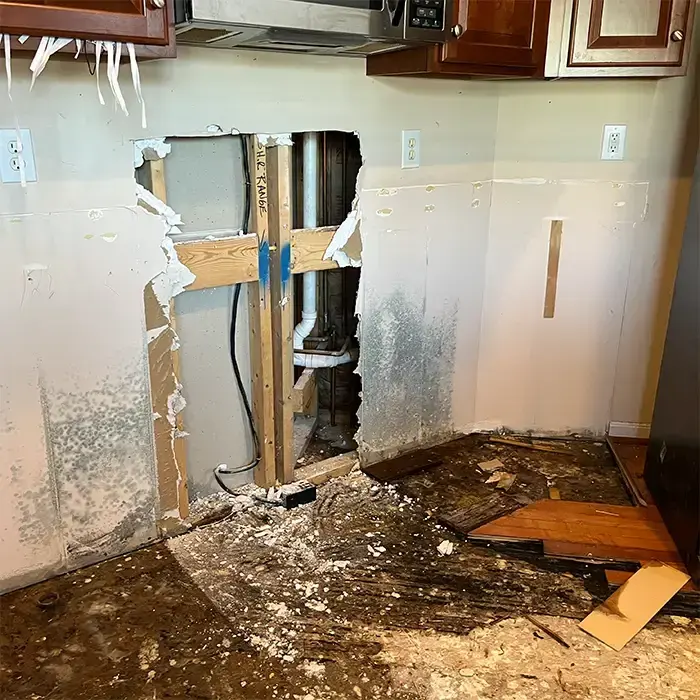
Burst Pipe Water Damage
Burst supply pipes soak walls and floors quickly, so extraction and cavity drying come first.
What the work involves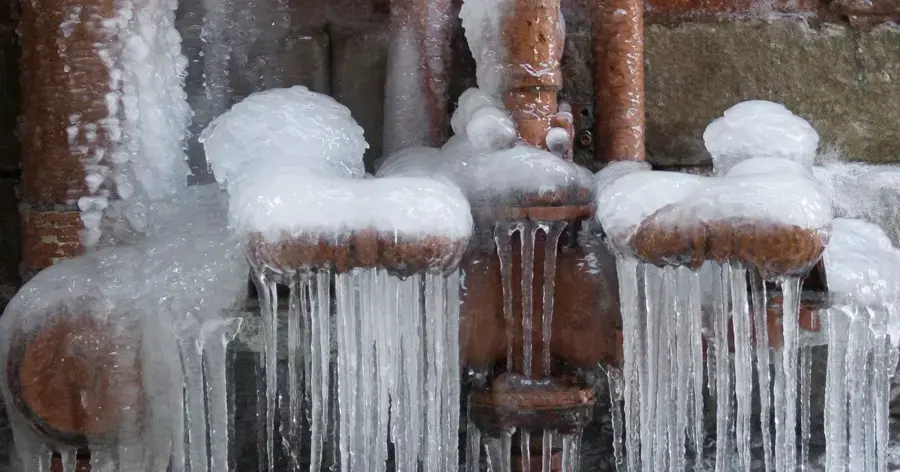
Frozen Pipe Cleanup
Pipes that split during a cold snap leave water inside walls, which are opened and dried.
What the work involves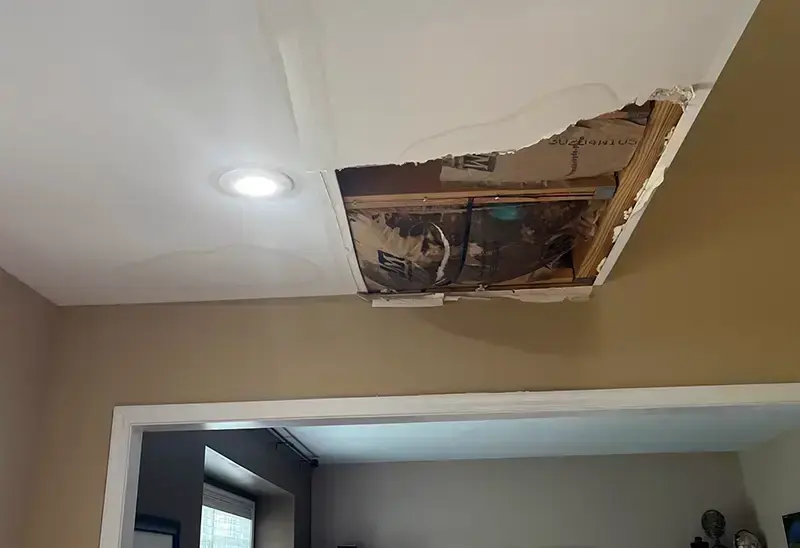
Ceiling Leak Water Damage
Ceiling leaks may come from the roof or the unit above, so the source is found before drying.
What the work involves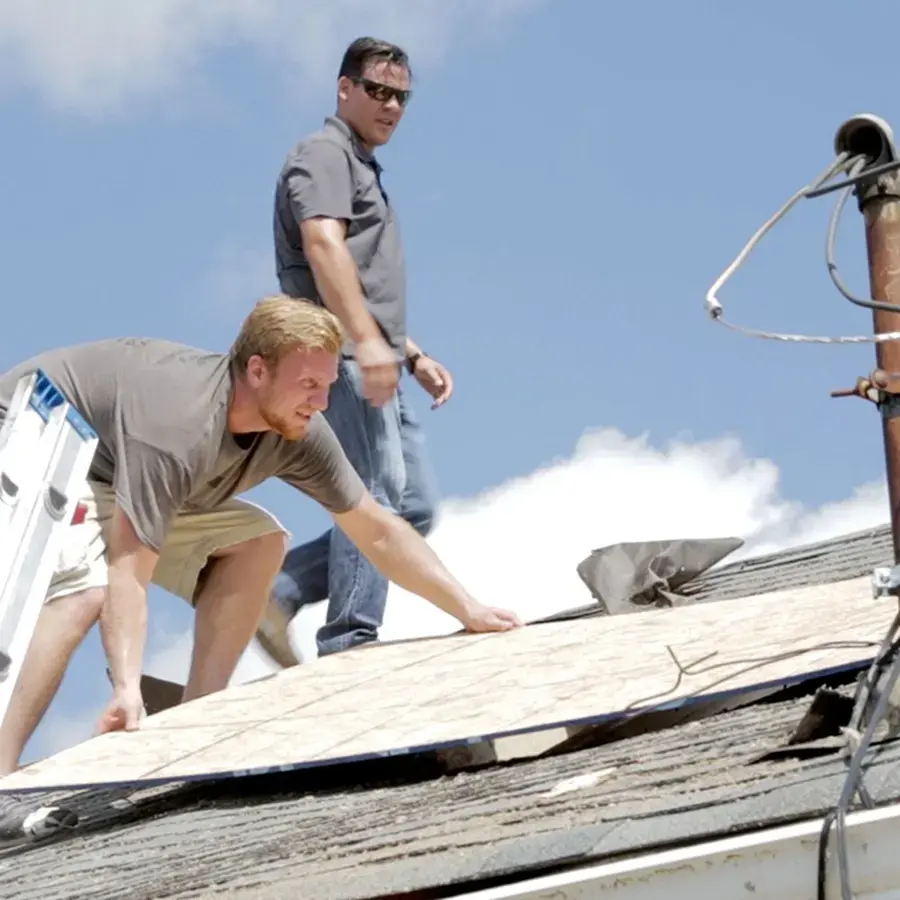
Roof Leak Water Damage
Roof openings are tarped, then wet insulation, ceilings and framing below are dried out.
What the work involves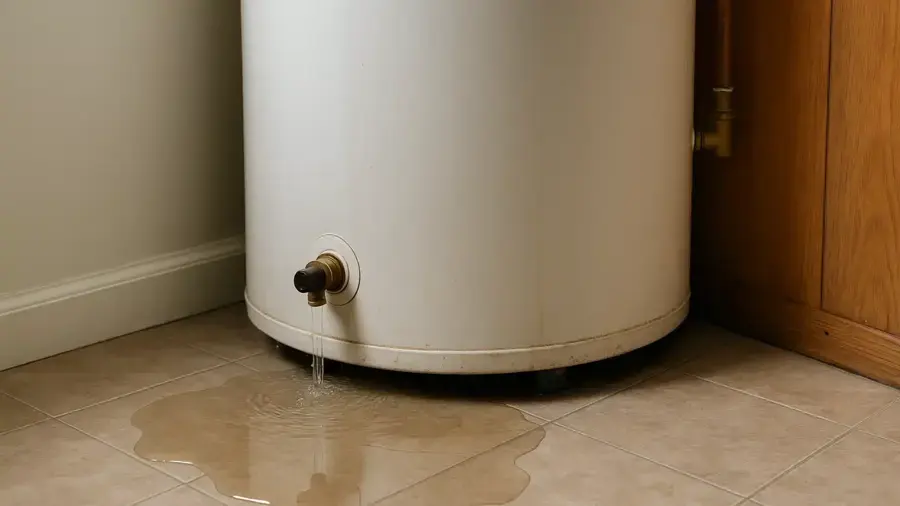
Water Heater Leak Cleanup
A failed water heater leaves a wet slab and wall bottoms, which are extracted and dried.
What the work involves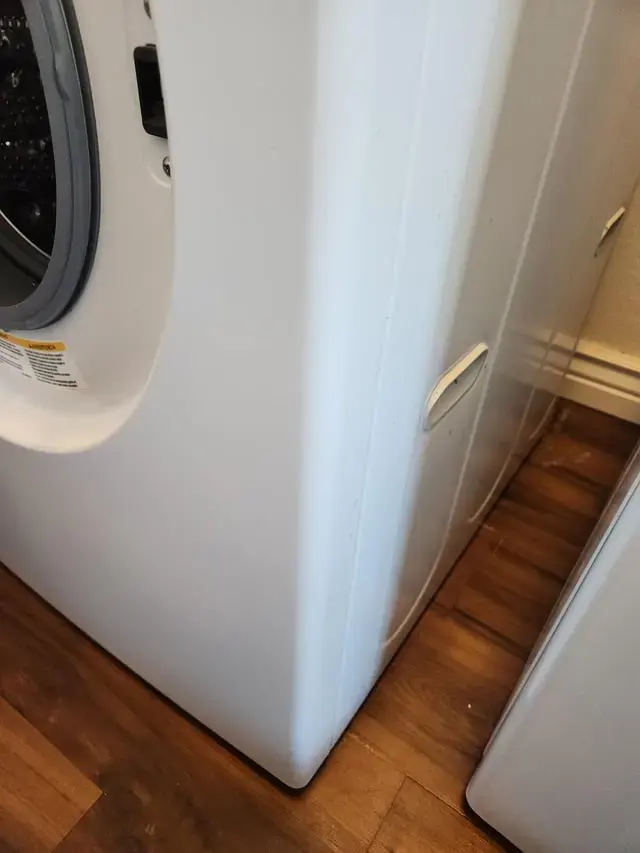
Appliance Leak Water Damage
Washer, dishwasher and refrigerator leaks are dried beneath flooring and cabinets in homes and condominiums.
What the work involves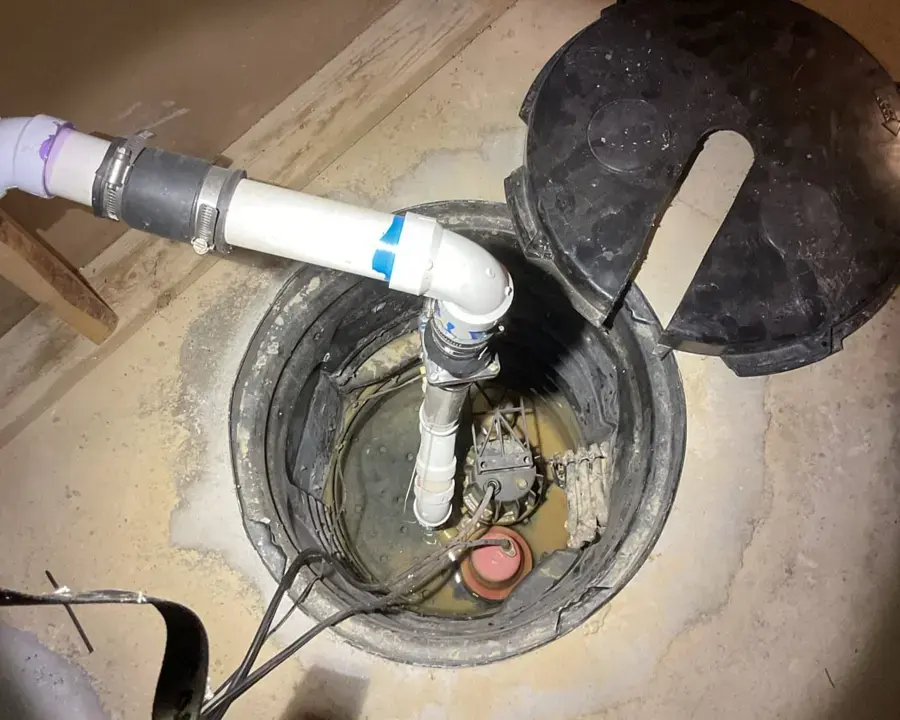
Sump Pump Failure Cleanup
When a sump pump fails and water reaches a lower level, it is removed and the area dried.
What the work involves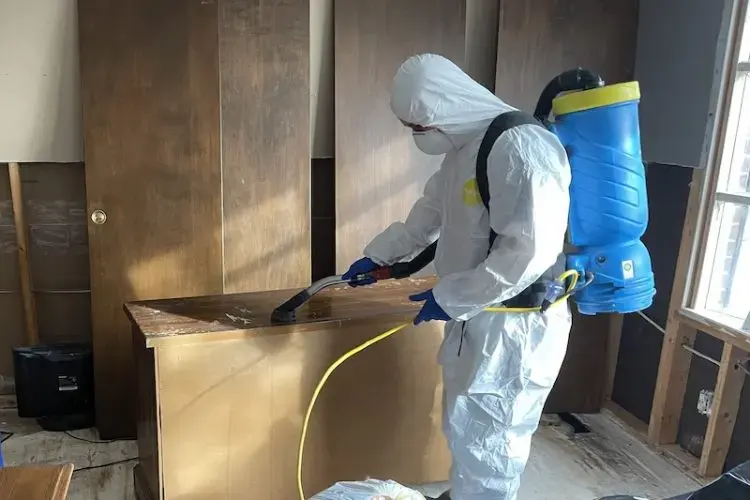
Sewage Backup Cleanup
Sewage backups are cleaned as contaminated water damage, with affected materials removed and surfaces treated.
What the work involves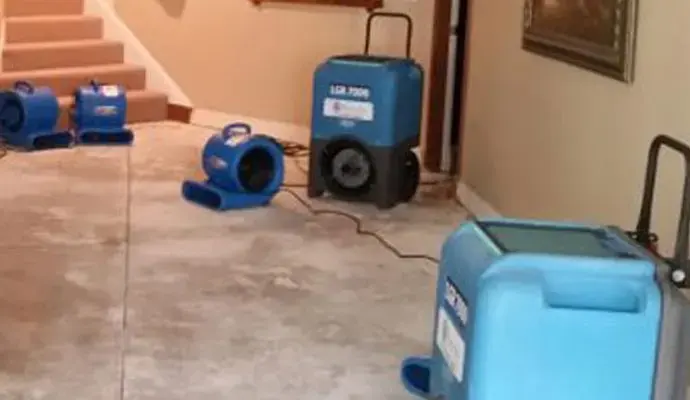
Structural Drying and Dehumidification
Air movers and dehumidifiers dry framing, subfloors and wall cavities until readings return to normal.
What the work involves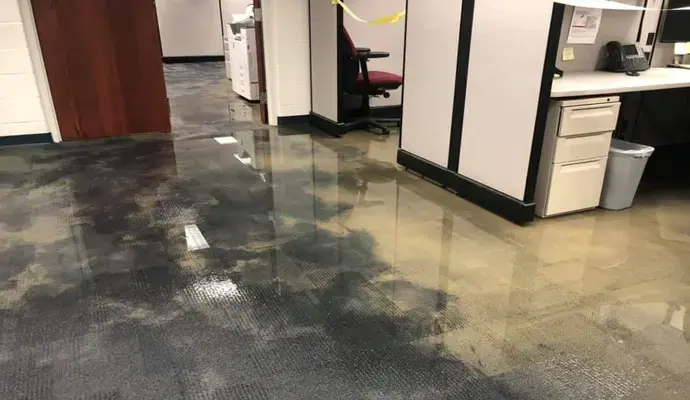
Commercial Water Damage
Offices, shops and restaurants get phased drying that keeps the rest of the building running.
What the work involvesWhat to do right now when water enters a Montgomery home
- 1
Stop the source
If a pipe or appliance is the cause, close its valve or the main shutoff to keep more water from spilling.
- 2
Cut the power
Leave breakers off for any wet room and stay away from outlets, cords and wet appliances until the area is checked.
- 3
Protect what you can
Lift furniture legs onto blocks, move rugs and electronics out of the wet area and open closet doors.
- 4
Photograph the damage
Take wide and close photos of every wet surface and damaged item before anything is moved or thrown out.
- 5
Call for drying
Report sewage to the Metropolitan Sewer District of Greater Cincinnati, then get a crew started on extraction.
What water damage cleanup usually costs in Montgomery
Most Montgomery water jobs run from about $1,200 for a contained clean-water leak to $25,000 for a large multi-level loss. The final figure follows the water category, how much square footage is wet and how many days the materials need to dry.
Small clean-water leak
- Extraction and air movers
- One dehumidifier
- Daily moisture logs
Wet finished basement
- Carpet and pad pulled out
- Larger dehumidifier setup
- Wall cavities opened
Several rooms or levels
- Sewage or storm water
- Containment and removal
- Phased drying
Prices shift with the water category and the materials involved. A written estimate follows the on-site inspection, and insurance adjusters can review the moisture records.
Water damage work that follows the IICRC S500 standard
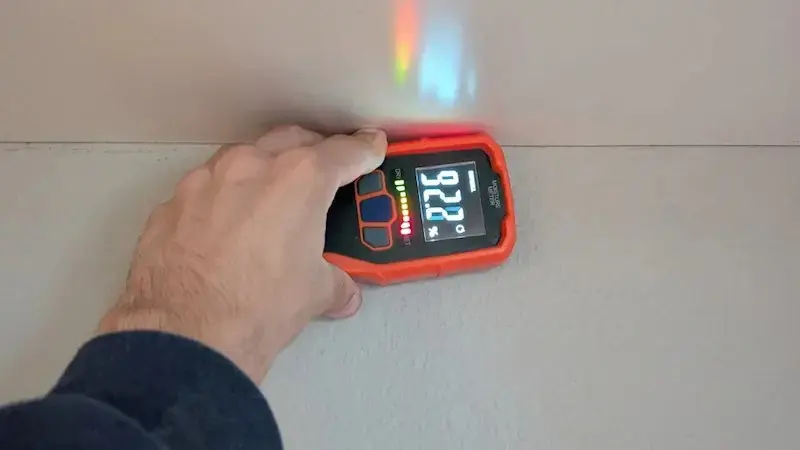
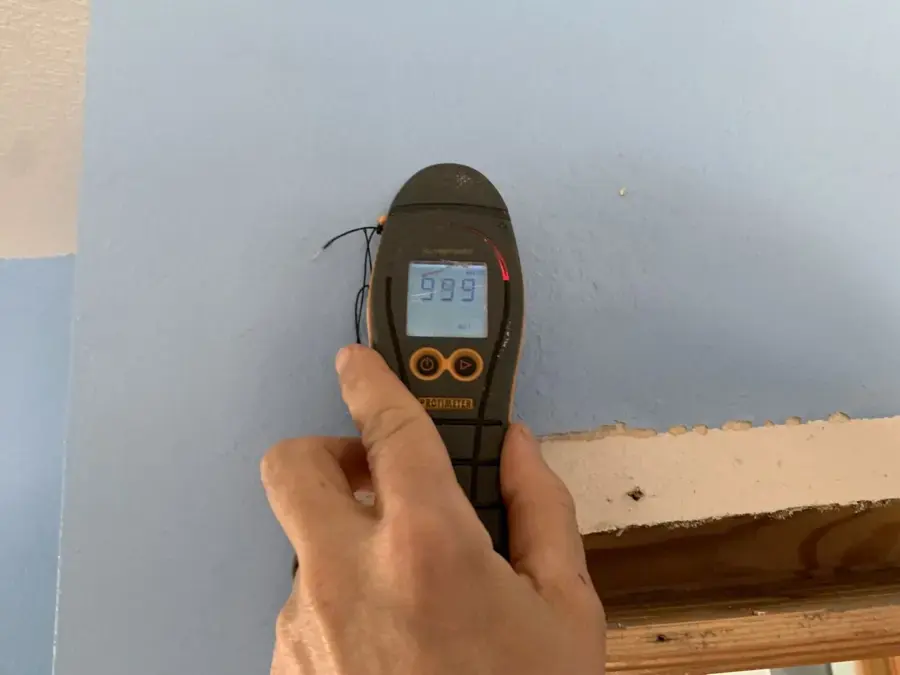
Each Montgomery job begins with moisture readings, so the crew knows where the water went before any equipment is set. The standard calls for measured goals, and the daily logs show when the materials reach them.
- 1
Trace the water
Meters and a thermal camera show how far the water traveled, including behind baseboards and under floors where it hides.
- 2
Remove the water
Extractors and pumps take out the standing water, and soaked pad or porous material that cannot be saved is cut out and bagged.
- 3
Dry the structure
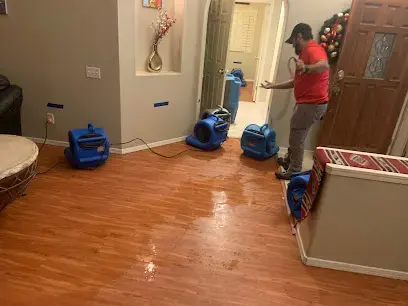
Air movers push dry air across surfaces while LGR dehumidifiers pull moisture from the air, and wall cavities get their own airflow.
- 4
Confirm the result
Final readings are compared with dry reference points in the same home, and equipment stays until the numbers match.
Water categories decide how the job is handled
Clean water supply leak
A split supply pipe or leaking appliance sends clean water, the easiest category when it is dried promptly.
Burst pipe cleanupGray water from appliances
Washer and dishwasher discharge carries soap and dirt, so pad and drywall that sat wet are usually removed.
Appliance leak cleanupBlack water from storms or drains
Storm runoff and sewage carry bacteria, so affected materials are removed under containment and surfaces are treated.
Storm flood cleanup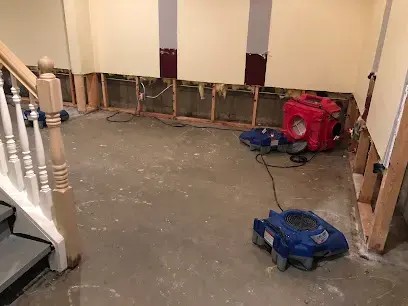
Local water damage help for Montgomery homes and businesses
Montgomery mixes older homes near the Heritage District with newer developments such as Orchard Trail and Vintage Club, and each building dries differently. The plan is written for the structure, not copied from the last job.
Local crews
Crews cover Montgomery and Hamilton County, so water calls are handled by people who know the area.
Moisture proof
Readings are recorded at each visit, so progress is shown with numbers rather than guesses.
Claim ready records
Photos, readings and equipment logs are organized so an adjuster can follow the work.
Water and sewage only
The work stays focused on water, storm water and sewage losses, with the right containment for each.
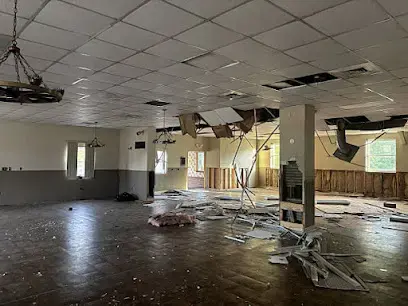
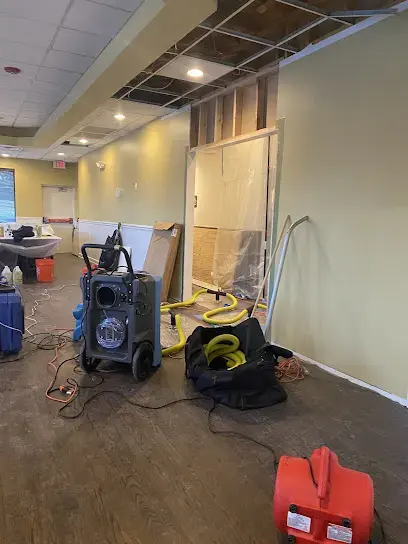
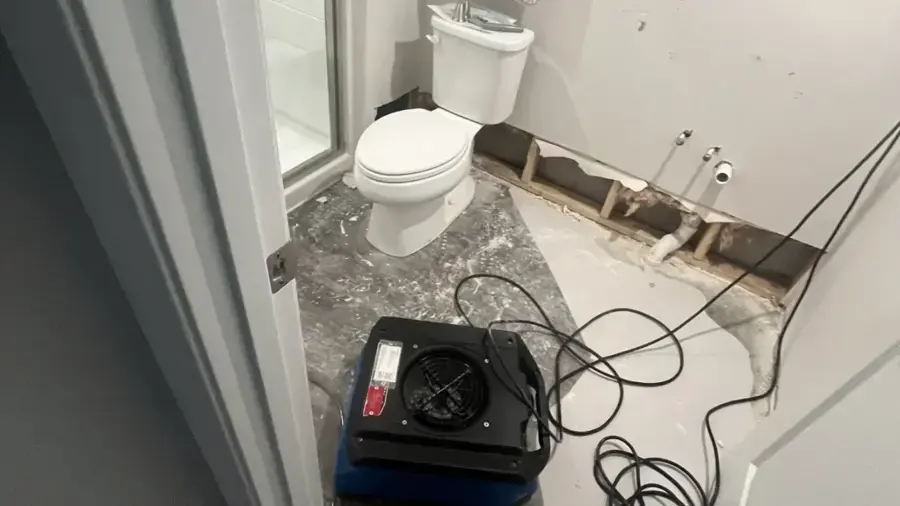
Photos of the drying work behind a Montgomery water loss
Records that support a claim
Adjusters ask for the cause, the extent and the work done, and the drying file is built around each one.
- Dated photos of every wet room and damaged item before cleanup starts
- Moisture readings for each affected material at every visit
- A note on the water category and where the water came from
- Equipment logs showing what ran, where and for how long
- An itemized list of materials removed and set aside
If you file it yourself
Call the insurer early, describe the water source plainly and keep damaged items until the adjuster has seen them or photos are on file. Sewage and storm water can be covered differently from a burst pipe, so ask about the cause.
Coverage differs by policy, so check the wording or ask the insurer before approving large repairs.
Montgomery neighborhoods and roads the crews serve
Neighborhoods and roads
ZIP code
Nearby towns
What shapes water damage in Montgomery homes and businesses
Montgomery is an eastern suburb of Cincinnati, and its buildings range from historic homes to new apartments and offices. Water losses here follow the usual causes: plumbing failures, storms, drains and failed equipment, each with its own cleanup.

April 9, 1999: An F4 tornado struck Montgomery and Blue Ash shortly after 5 a.m., and one survivor described the roof gone and water coming into the basement.
- Plumbing: Water service comes from Greater Cincinnati Water Works, and cold snaps stress older pipes, as early 2026 main breaks in Cincinnati showed.
- Storm water: The city investigates storm water and erosion control concerns, and any water that enters a building from outside is treated as contaminated.
- Sewer backups: The Metropolitan Sewer District of Greater Cincinnati maintains the county sewer system, so backups are reported to it and the area is cleaned as black water.
- Remodels: From 2001 on the city has seen 313 teardowns, and with 66 remodel permits in 2021, opened walls and new finishes make moisture readings worth taking before walls close.
- Apartments and offices: Montgomery Quarter and Vintage Club add apartments, condominiums and offices, where a leak can spread between units unseen.
Montgomery water damage questions
What should be done first when water enters a Montgomery home?
Stop the source if it is safe, switch off power to wet rooms, and photograph the damage. Then call a restoration crew to start extraction, since materials that stay wet begin to break down.
Who handles a sewage backup in Montgomery?
Backups are reported to the Metropolitan Sewer District of Greater Cincinnati, while cleanup of affected floors, walls and belongings is handled as contaminated water damage by a restoration crew.
Does a permit apply to plumbing repairs after a leak?
Plumbing permits are issued separately by Hamilton County Public Health, and National Inspection Corporation handles building permit review and inspections for the city. A plumber or contractor can confirm what a given repair needs.
How long does drying take after a leak?
Many clean-water jobs take several days of equipment running, while thicker materials, wet insulation and layered floors can take longer. Daily readings show when the numbers reach the dry goal.
Can carpet and drywall be saved after a flood?
Carpet and pad from clean water are often saved with fast drying, but soaked drywall, insulation and anything touched by sewage or storm water is usually cut out and replaced.
What causes ceiling leaks in Montgomery condominiums and apartments?
In multi-unit buildings such as those at Montgomery Quarter or Vintage Club, water can come from the unit above through a failed appliance or supply pipe as well as from the roof.
Is storm water treated differently from a pipe leak?
Yes. Water that comes in from outside picks up soil and bacteria, so it is handled as contaminated, with silt removal, cleaning and drying done in that order.
Do commercial buildings in Montgomery get different drying plans?
Yes. Offices, shops and restaurants at Montgomery Quarter or along Montgomery Road are dried in zones so tenants next door can keep working, and after-hours work is planned when needed.
What do roof leaks do to ceilings and insulation?
Water follows framing downward, soaking insulation and ceiling drywall before a stain shows. The roof opening is tarped first, then the wet layers are opened and dried.
What do adjusters usually ask to see?
Photos, moisture readings, equipment logs, a list of removed materials and a clear note on the cause of the loss, so the adjuster can follow what was done and why.
Wet floors or walls in Montgomery need drying now
Water left in a building keeps spreading into framing and finishes, so the sooner extraction begins, the less has to be torn out and rebuilt in a Montgomery home or office.
(888) 365-1450Call now for Montgomery water damage help