Water Damage Restoration in Blue Ash
Crews dry out Blue Ash homes, rentals and offices after a burst pipe, a failed sump pump, a sewer backup or a heavy storm, with moisture readings logged until the structure tests dry.
(888) 365-1450Request a Blue Ash drying crewClean water, gray water and sewage losses handled in Blue Ash.
Water damage restoration services across Blue Ash
Every service below covers a different way water gets into a Blue Ash building, from a burst pipe to a flooded basement, and each page explains what the cleanup involves.
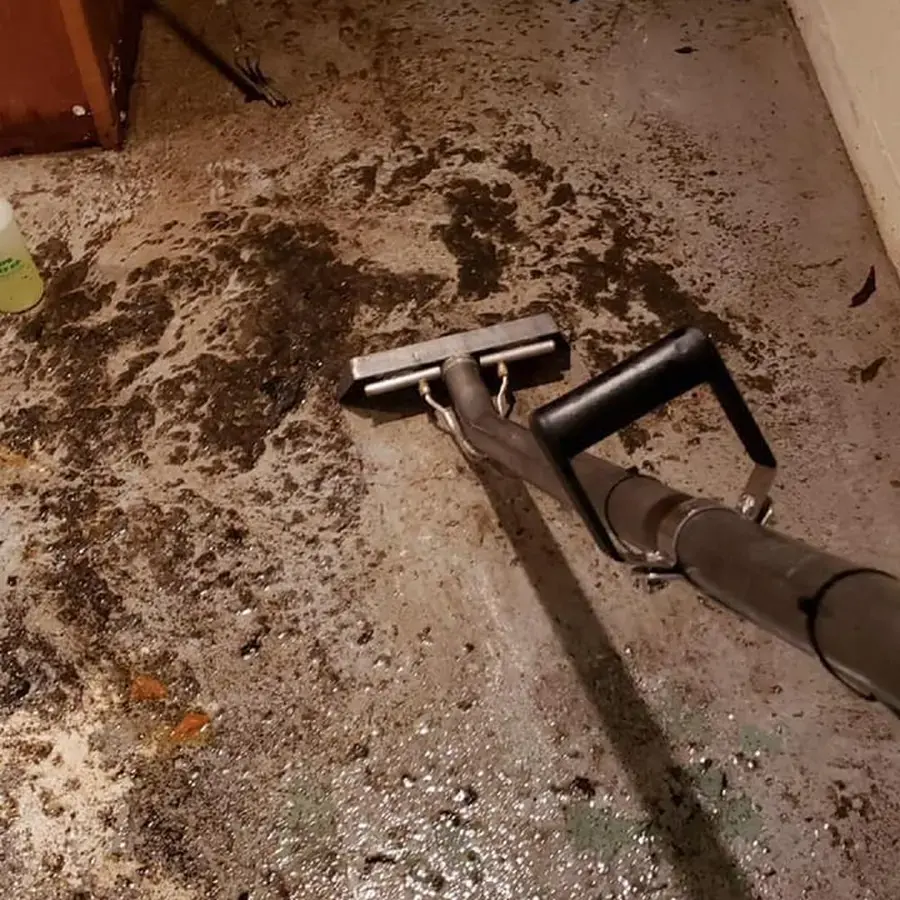
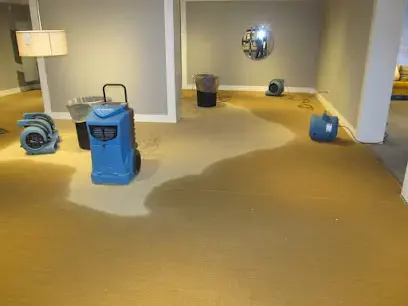
Water Extraction and Removal
Pumps and wands pull standing water from carpet, pad and hard floors before it soaks deeper.
What the work involves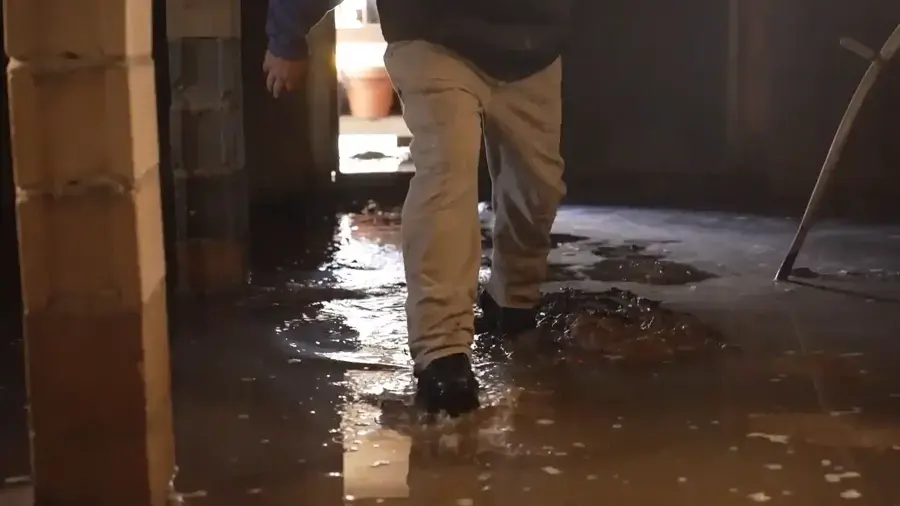
Basement Flooding Cleanup
Crews clear rain or pump failure water, strip wet materials and dry the slab and walls of a flooded basement.
What the work involves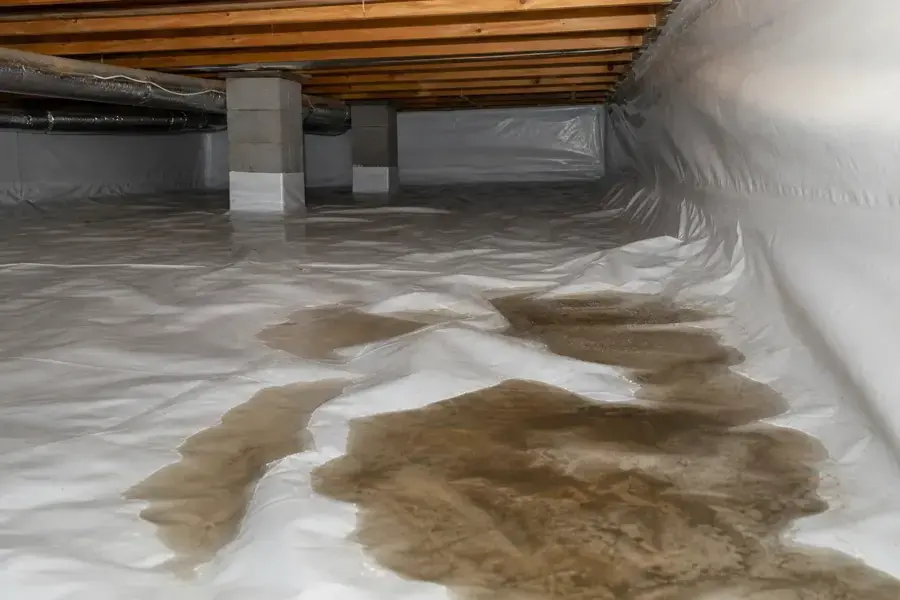
Crawl Space Water Damage
Standing water, wet insulation and damp framing under the floor get removed and dried.
What the work involves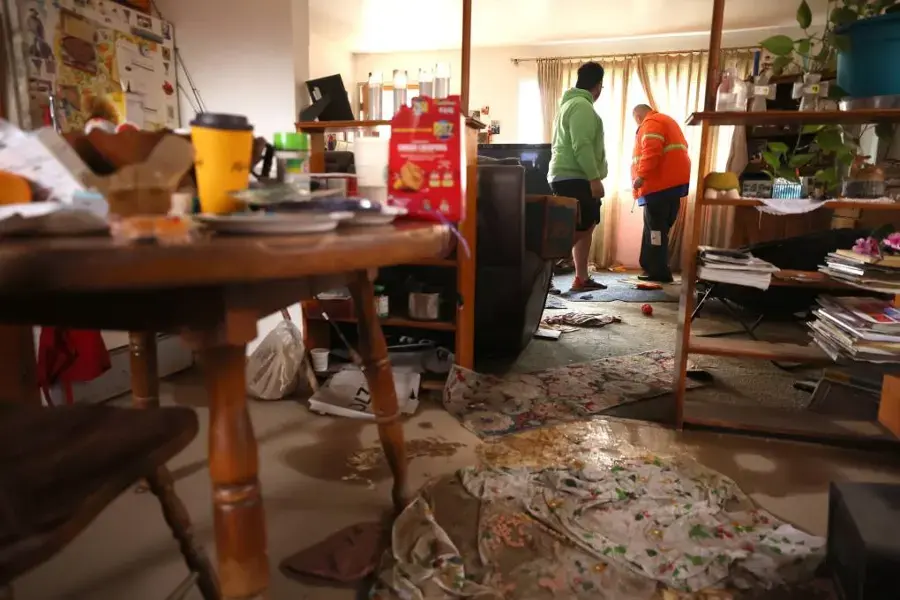
Storm and Flash Flood Cleanup
Silt, floodwater and soaked finishes come out after a storm sends water indoors.
What the work involves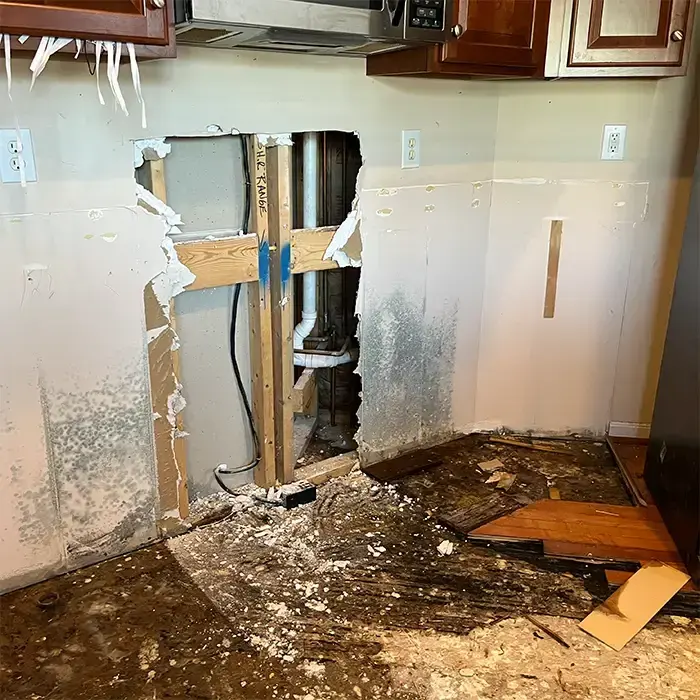
Burst Pipe Water Damage
Water from a broken pipe is extracted, and wet walls and floors are opened and dried.
What the work involves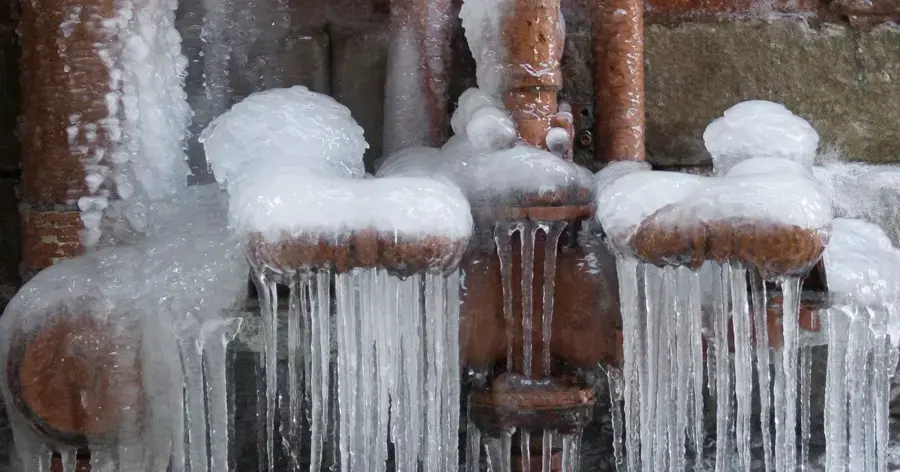
Frozen Pipe Cleanup
Once a pipe thaws and splits, the water inside walls and ceilings needs fast removal and drying.
What the work involves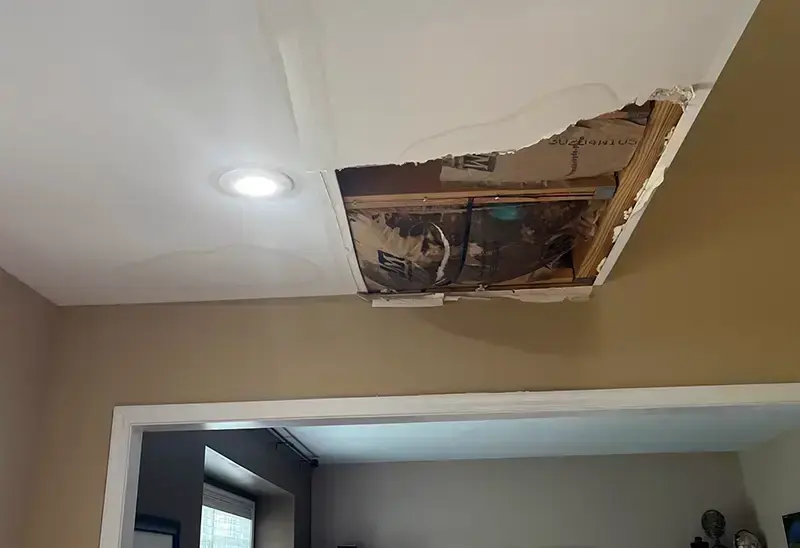
Ceiling Leak Water Damage
A stained or sagging ceiling hides wet insulation and framing, which crews open, drain and dry.
What the work involves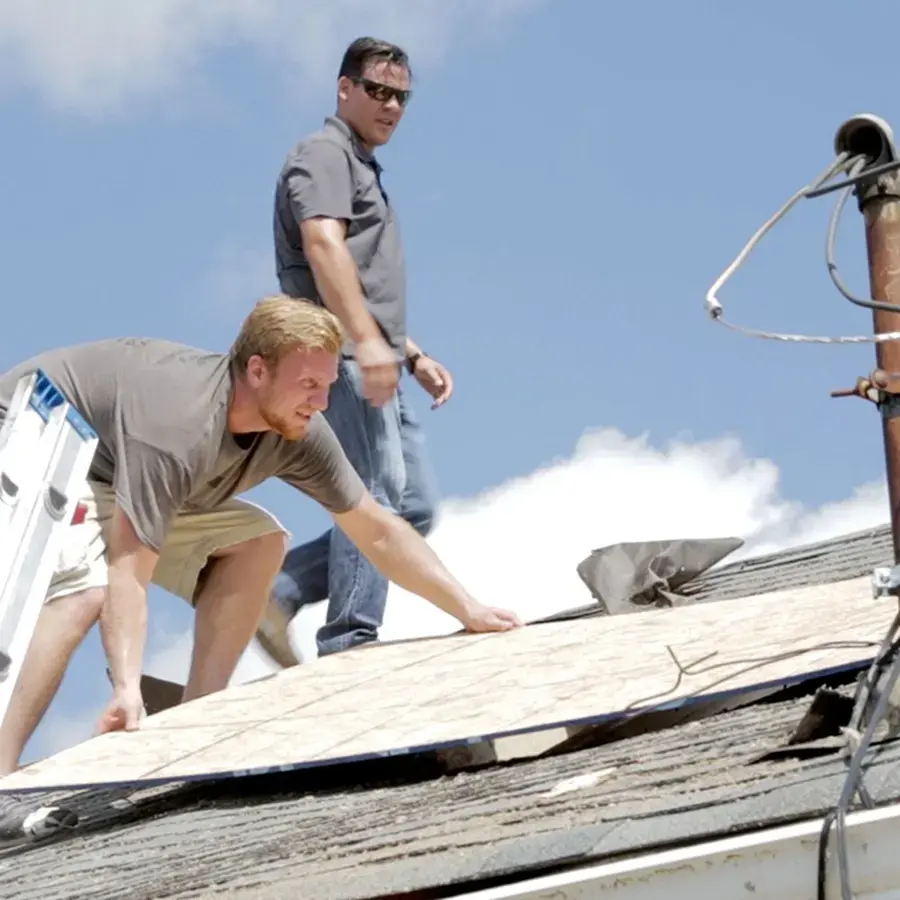
Roof Leak Water Damage
Rain that gets past the roof is dried out of ceilings and attics.
What the work involves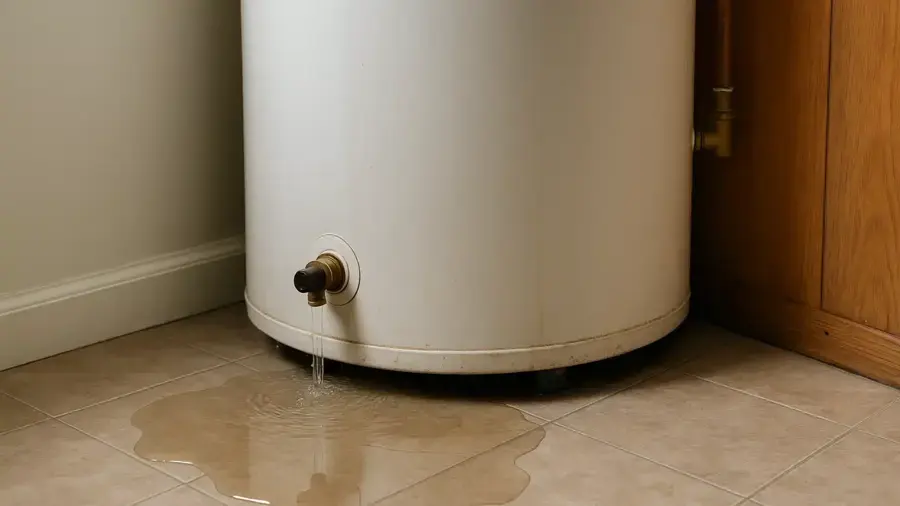
Water Heater Leak Cleanup
A failed tank can flood a utility room and spread into nearby finished space.
What the work involves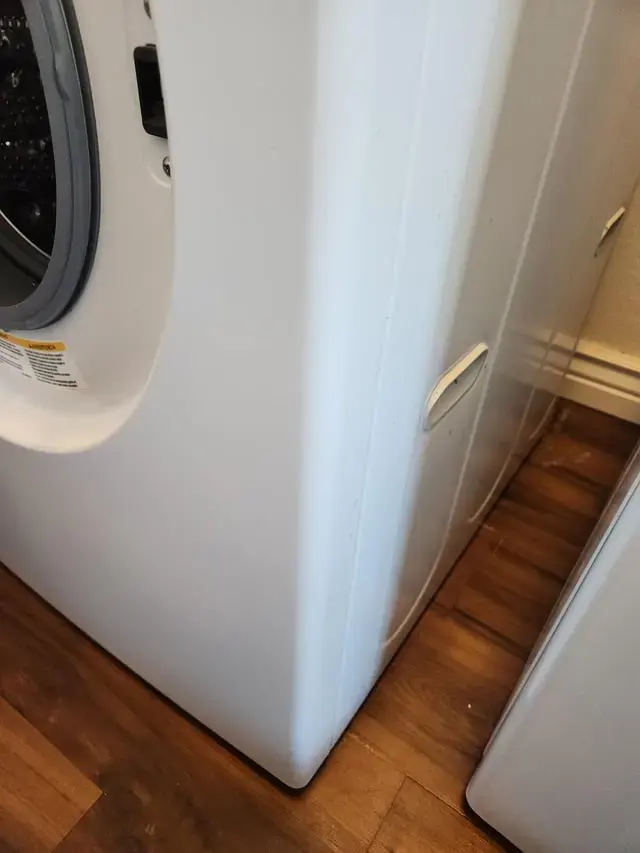
Appliance Leak Water Damage
Washers, dishwashers and refrigerator supplies leak slowly into floors and cabinets, so hidden moisture gets mapped and dried.
What the work involves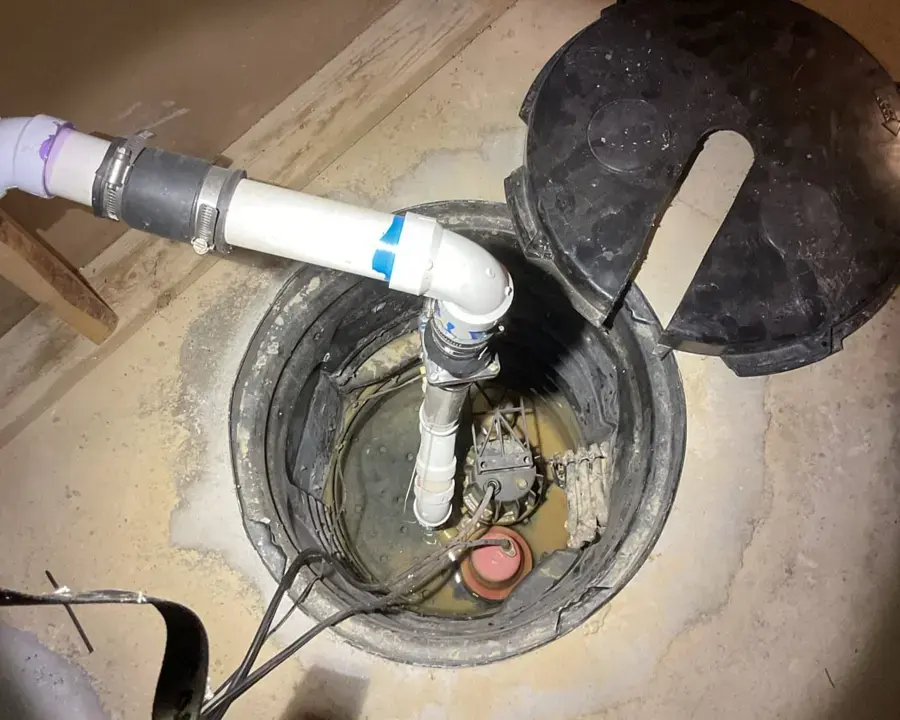
Sump Pump Failure Cleanup
When a sump pump quits during rain, the basement water is removed and the space cleaned.
What the work involves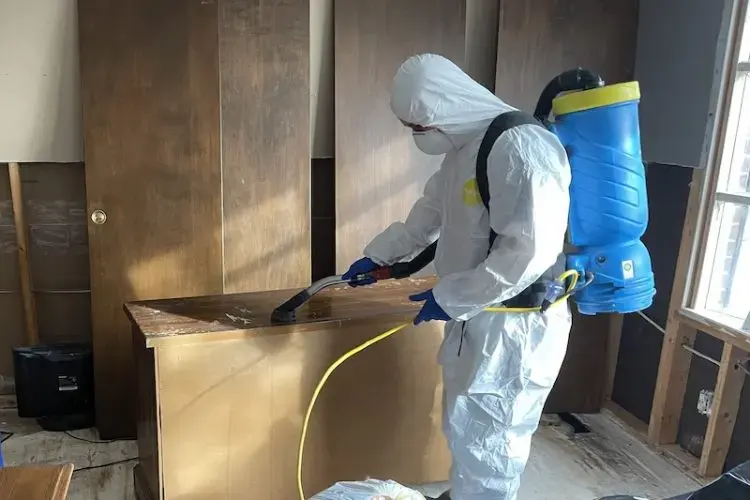
Sewage Backup Cleanup
Sewage in a building gets contained, removed and disinfected with protective gear and antimicrobial treatment.
What the work involves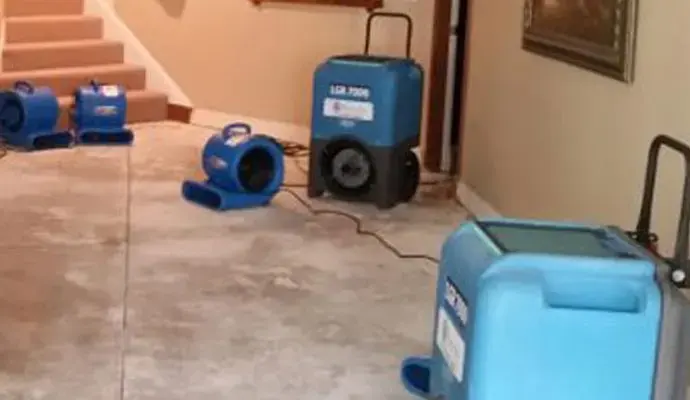
Structural Drying and Dehumidification
Air movers and dehumidifiers dry wet framing, subfloors and wall cavities until readings return to normal.
What the work involves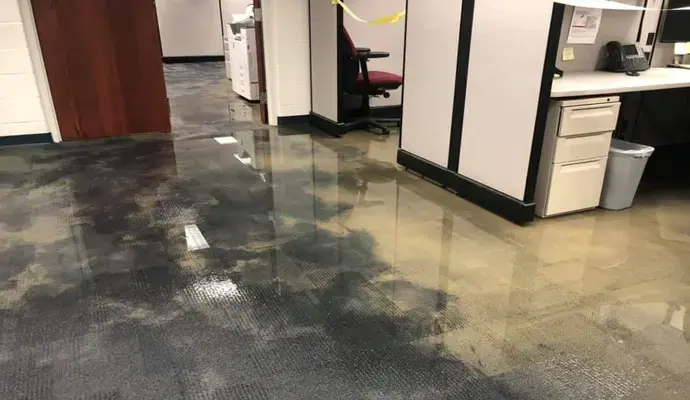
Commercial Water Damage
Offices, shops and industrial buildings get phased cleanup that keeps working areas usable where possible.
What the work involvesWhat to do first when water shows up in Blue Ash
- 1
Stop the source
Close the fixture valve or the main shutoff, and leave electrical panels alone if the floor around them is wet.
- 2
Keep out of deep water
Water near outlets or under a sagging ceiling can hide shock or collapse hazards, so stay out.
- 3
Tell sewage from clean
Dark or foul smelling water rising from a drain points to sewage, so avoid contact and keep children and pets out.
- 4
Document before cleanup
Photograph the wet areas, damaged items and the visible source before anything moves, since adjusters ask for those records.
- 5
Raise valuables off the floor
Lift small furniture, electronics and papers onto dry surfaces, and pull rugs and cushions out of the wet area.
What water damage cleanup costs in Blue Ash
Most Blue Ash jobs fall between $1,200 and $25,000 before an inspection. The spread depends on how much water came in, how long it sat, whether it was clean, gray or sewage, how many rooms and floors got wet, and which materials absorbed it.
Small clean water leak
- Extraction and moisture mapping
- Air movers and dehumidifier
- Daily drying readings
Basement or several rooms
- Wet pad and drywall removed where needed
- More dehumidifiers on site
- Cavity drying in walls
Gray or sewage loss
- Sealed work zone and PPE
- Porous materials removed
- Antimicrobial treatment
Final pricing follows the moisture mapping and the scope of removal. Policies differ on what they cover, so the insurer should hear about the loss early.
Drying that follows the IICRC S500 standard
Technicians measure moisture before any equipment goes down, set air movers and dehumidifiers to the room and the material, and keep logging readings until wet framing and subfloors in the Blue Ash building reach the dry standard.
- 1
Find the wet areas
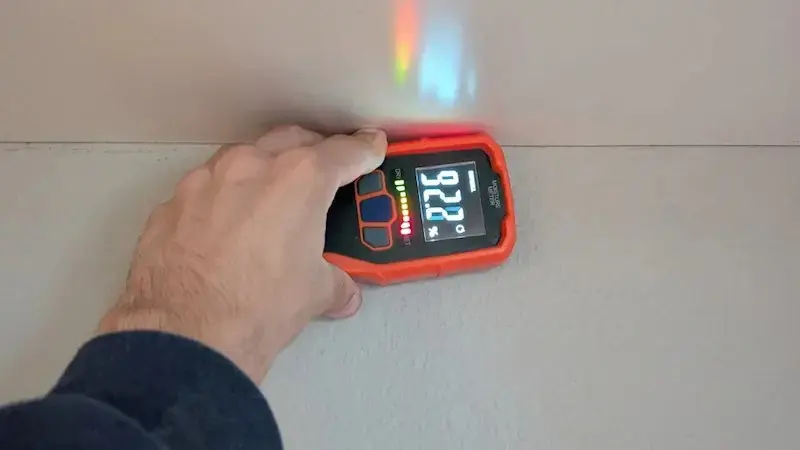
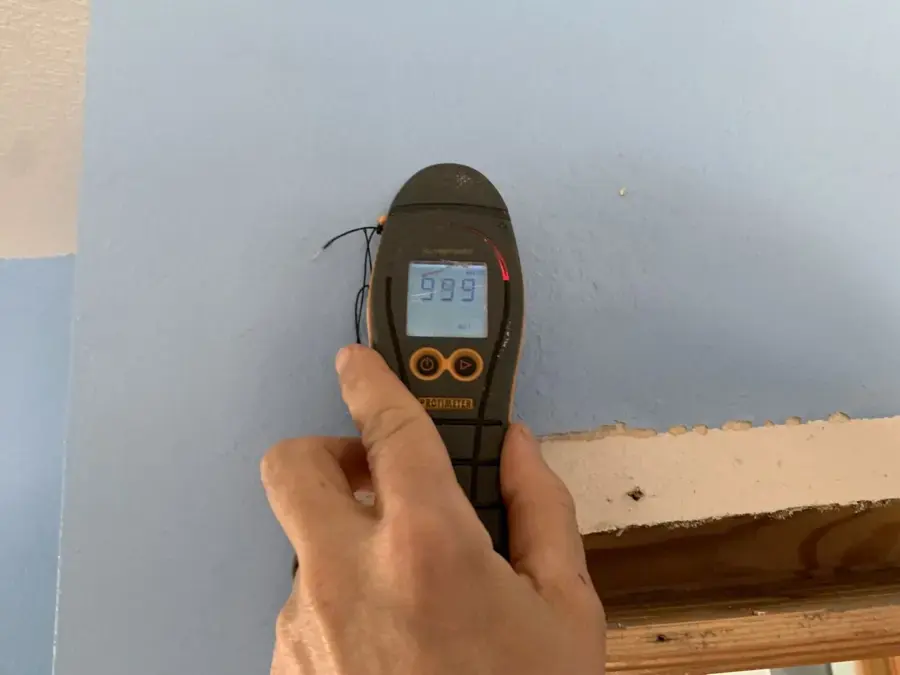
A moisture meter and thermal camera trace the spread through floors, walls and ceilings, since surfaces that look dry often hold water underneath.
- 2
Pull out the water
Pumps and extraction tools take the standing water out first, since each gallon removed early is one less gallon for the dehumidifiers.
- 3
Open and dry
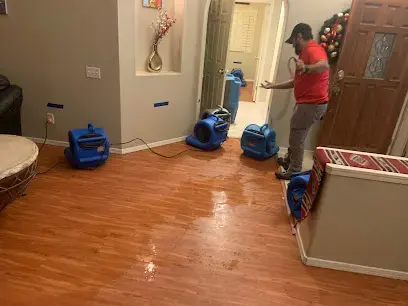
Soaked carpet pad, wet insulation and swollen baseboards are removed where they cannot dry, and air movers push dry air across what stays.
- 4
Prove it is dry
Readings from the affected materials are compared with an unaffected area, and the equipment stays until the numbers match.
How the water type changes the cleanup
Clean water leaks
A supply break or a tub overflow starts clean, and prompt drying keeps it from turning gray.
Burst pipe cleanupGray water sources
Washers, dishwashers and sump overflow carry some contamination, so soaked pad and drywall are usually removed.
Appliance leak cleanupBlack water events
Sewage and storm floodwater carry bacteria, so crews wear protective gear, contain the area and disinfect every surface.
Sewage backup cleanup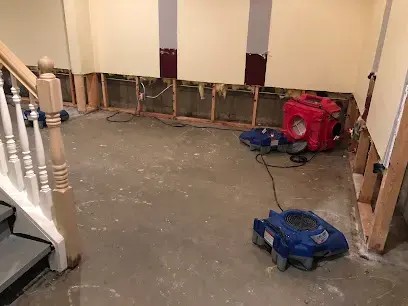
What Blue Ash owners should expect from a restoration crew
A water loss in a Blue Ash home, rental or office needs more than a pump. It needs mapping, removal, drying and records that an insurance adjuster can follow from the first reading to the last.
Dispatch for Blue Ash
Dispatch covers Blue Ash and the 45242 ZIP code, with trucks carrying extraction and drying gear.
Water and sewage only
The work stays on water and sewage losses, so equipment, protective gear and drying methods fit the job.
Claim ready records
Photos, meter readings and equipment logs are kept so an adjuster can see what was wet and how it dried.
Sewer reporting know how
MSD handles sanitary sewers in Blue Ash, and backups come with reporting steps that crews explain.
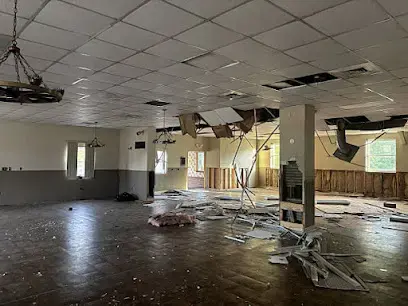
What water damage work looks like in Blue Ash
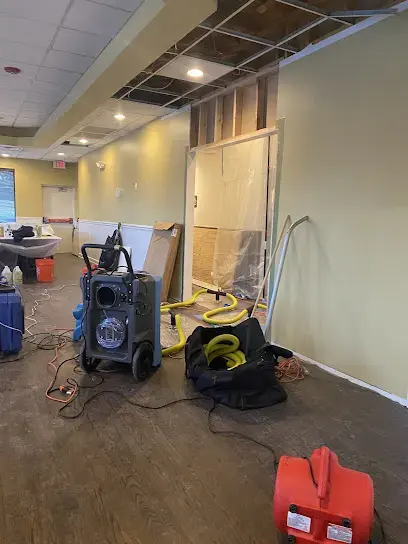
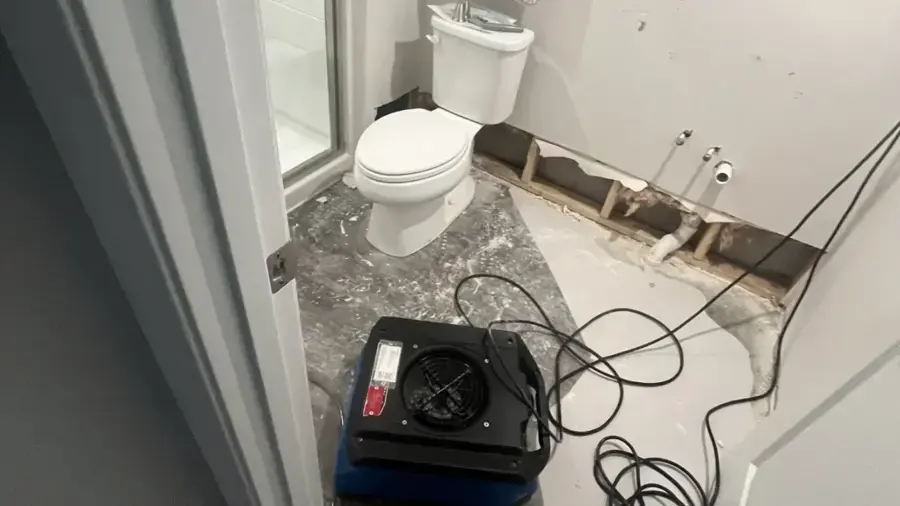
Records an insurance claim needs
Adjusters look for proof of the cause, the extent and the drying, so crews build that record as the work proceeds.
- Dated photos of the source, the wet rooms and damaged contents
- Moisture readings taken at the start and again on each drying visit
- A list of removed materials and the reason each one went
- Equipment logs showing which units ran and for how long
- A final drying report that confirms the dry standard was met
Filing the claim yourself
Report the loss to the insurer promptly, keep every receipt for emergency work, and hold on to damaged items until the adjuster has seen them. Crews can supply photos, readings and an itemized scope on request.
For a sewer backup, MSD also asks that the report be made within 48 hours of discovery to be considered for its Sewer Back-Up program.
Where crews work in and around Blue Ash
Areas and roads served
ZIP code
Nearby towns
Where water trouble tends to start in Blue Ash
Blue Ash is an inner suburb of Cincinnati in Hamilton County, and water trouble can begin with a drain, a storm or a pipe inside a building. MSD handles the sanitary sewers, and part of the wider Greater Cincinnati system is a combined sewer.

April 9, 1999: An EF4 tornado struck Blue Ash and Montgomery, killed four people, crossed Symmes Township and destroyed 92 homes and 40 businesses across the affected communities.
- Sewer backups: MSD takes backup reports around the clock and asks for them within 48 hours of discovery.
- Combined sewers: Where sewage and stormwater share the same pipes, heavy rain can send dirty water back into a building.
- Water main breaks: A water main broke on Kenwood Road near Cooper Road on February 26, 2015; a burst pipe indoors is a separate matter for the owner.
- Rentals: With 33.2% of occupied housing units rented, a leak in one unit can reach the unit below.
- Commercial loss: Blue Ash has about 2,000 businesses and a daytime population near 55,000, so one water loss at an office can disrupt many workers.
Blue Ash water damage questions
What should I do first when water floods a room in Blue Ash?
Stop the source if it is safe, keep out of deep water, and move belongings onto dry surfaces. Take photos of everything wet, then call a restoration crew so extraction and moisture mapping can begin before materials start to swell.
Who handles a sewer backup in Blue Ash?
MSD handles sanitary sewers in the city and takes backup reports around the clock. Cleanup of the sewage inside the building is a separate job for a restoration crew with protective gear.
Does MSD cover sewage backup damage?
MSD says a backup from a collapsed or root damaged pipe, grease or flushable wipes is an individual issue for which it has no legal liability. Reports still go to MSD within 48 hours, and an owner's insurer decides coverage.
Is overland flooding handled by MSD?
No. MSD investigates rain related backups to see whether sewer capacity was the cause, but overland flooding is not its responsibility, so a flooded yard or basement may need the owner's insurer.
How is water removed from a finished basement?
Pumps and extraction wands take out the standing water, then wet carpet pad and the bottoms of drywall walls are removed when they cannot dry, and dehumidifiers run until readings are normal.
Why does drying take several days after the water is gone?
Water soaks into framing, subfloors and insulation where it cannot be seen. Dehumidifiers and air movers pull that moisture out slowly, and daily readings show when the materials have reached the dry standard.
Can a leak upstairs reach neighbors?
Yes. With 33.2% of occupied Blue Ash housing units rented, a leak in one unit can run through the floor into the unit below, so both units are checked for moisture.
Do commercial buildings in Blue Ash need a different approach?
Often yes. Phased zones, after hours work and larger dehumidifiers keep an office or shop running while the wet areas dry, which matters in a city with about 2,000 businesses.
What do adjusters want to see?
Adjusters want photos of the source and damage, moisture readings, equipment logs and a list of removed materials. Crews keep those records as the work goes on so the claim file is complete.
Who deals with a water main break in Blue Ash?
Greater Cincinnati Water Works takes reports of breaks in the public main, while a burst pipe inside a building is a separate matter for the owner.
A wet floor in Blue Ash cannot wait
Water that sits in carpet, drywall and insulation keeps spreading damage. Extraction, drying and cleanup for Blue Ash homes and businesses in ZIP code 45242 get underway once the crew reaches the site.
(888) 365-1450Reach a Blue Ash crew