Storm and Flash Flood Cleanup in Blue Ash
After heavy rain, floodwater and sewage can come into a building together, so crews clear silt, remove soaked materials, disinfect surfaces and dry the structure in Blue Ash, with every step documented.
(888) 365-1450Get Blue Ash storm cleanup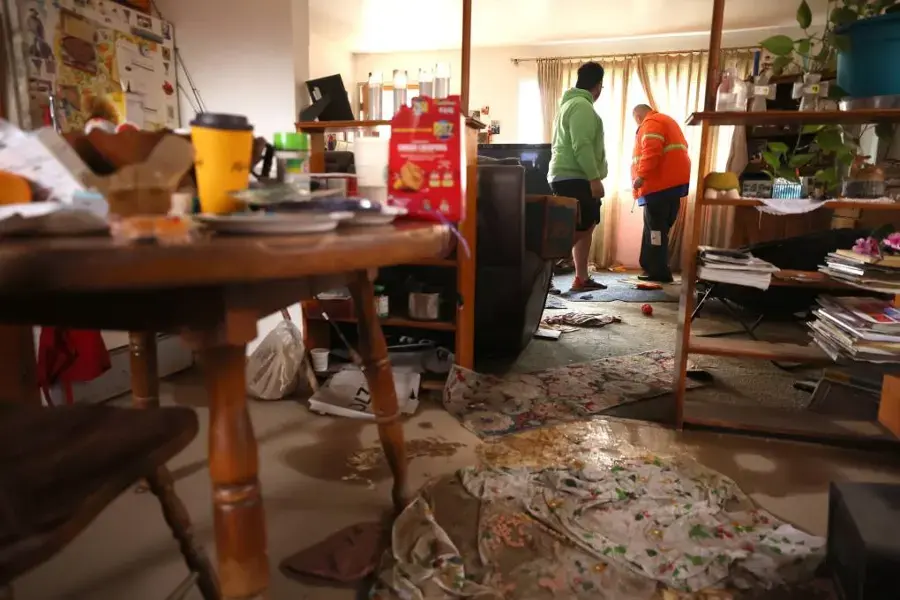
On July 17 and July 21, 2026, heavy rain across the Cincinnati area led to more than 1,500 possible sewer backup reports to MSD, a reminder of how fast storm water can overwhelm drains.
First steps for storm and flash flood cleanup in Blue Ash
- 1
Stay out of floodwater
Moving water, hidden debris and sewage make a flooded space unsafe to walk through.
- 2
Cut the power
Switch off breakers only if the panel is dry and reachable, otherwise leave it alone.
- 3
Photograph high water marks
Record how high the water reached and what it damaged before cleanup begins.
- 4
Report sewer backups
Sewage backups should be reported to MSD within 48 hours of discovery.
What does storm and flash flood cleanup cost in Blue Ash, OH?
Garage or small area jobs run $4,000 to $8,000, a walkout basement $8,000 to $16,000, and multiple rooms or levels can reach $25,000 because removal and drying both grow.
Garage or small area
- Silt cleared
- Disinfecting wash
- Dry out
Walkout basement
- Wet drywall and carpet out
- Sealed work zone
- Air scrubbers
Several rooms or levels
- Large scale removal
- Drying in phases
- Full claim records
Four things move the final number most: the water category, the wet square footage, the material class and how soon drying began. The water damage cost calculator narrows the range for your own loss.
How storm and flash flood cleanup is handled in Blue Ash
Every job starts with a moisture map, so the equipment goes where the water actually went. The drying team keeps the machines running until meter readings match a dry reference, whatever the surface looks like.
- 1
Assess the hazard
Water source, depth and contamination are checked before anyone enters.
- 2
Clear the silt
Debris, mud and soaked contents are removed from the building.
- 3
Strip and disinfect
Porous materials are cut out and surfaces get an antimicrobial wash.
- 4
Dry and document
Dehumidifiers run while readings and photos build the claim record.
Why storm water is different
Floodwater picks up soil, fertilizer, fuel and sewage on its way into a building, so it is treated as contaminated no matter how clear it looks. Crews wear protective gear, close off the work area and avoid spreading silt into rooms that stayed dry. Anything porous that sat in the water is usually discarded.
- Silt and debris shoveled and vacuumed out
- Carpet, pad and low drywall removed
- Hard surfaces washed and disinfected
Overland flooding versus a sewer backup
MSD investigates rain related backups to see whether sewer capacity was the cause, and it says overland flooding is not its responsibility. Which one happened affects the report and the claim, so photos and the time the water was found should be recorded. Neither path changes the safety steps inside the building.
- Sewer backups go to MSD within 48 hours
- Surface flooding goes to the owner's insurer
Drying after the cleanout
Once the debris is gone, dehumidifiers and air scrubbers dry the structure, and readings are logged until the walls and floors reach the standard. For the sewage side, see sewage backup cleanup, and for the drying method, see structural drying. Everything removed is photographed and listed for the adjuster.
Storm and flash flood cleanup across Blue Ash and nearby towns
Storm cleanup serves Blue Ash in ZIP code 45242, including Downtown Blue Ash and buildings near Summit Park and the University of Cincinnati Blue Ash College.
The same service nearby: storm and flash flood cleanup in West Chester, Montgomery, Sharonville.
Related water damage services in Blue Ash
Storm and Flash Flood Cleanup questions in Blue Ash, OH
Is storm water cleanup different from a pipe leak?
Yes. Storm water is treated as contaminated, so crews wear protective gear and remove porous materials.
What happened in the Cincinnati area in July 2026?
MSD received more than 1,500 possible sewer backup reports after heavy rain on July 17 and July 21, 2026, across the Cincinnati area.
Who is responsible for overland flooding?
MSD says overland flooding is not its responsibility, so owners usually turn to their own insurer.
How long does a storm cleanup take?
Cleanout often takes a few days, and drying follows. The depth of the water and the number of rooms set the schedule.
Can floodwater damage be dried in place?
Hard surfaces and framing can be disinfected and dried, but soft materials that sat in the water are normally removed.
Does a business need a different plan?
Often. Offices and shops need phased work, as covered in commercial water damage.
Clear storm water from a Blue Ash building
Crews handle silt removal, disinfecting, material removal and drying for storm damage across Blue Ash and ZIP code 45242.
(888) 365-1450Blue Ash storm cleanup help